
Delta hedging is a way that traders manage risk when they invest in options or other similar products. In simple words, it helps reduce the chance of losing money if the price of a stock goes up or down. In the past, traders did this by hand, but in 2025 things are changing fast. New tools and new technology are making risk management much smarter and quicker. Let’s explore how.
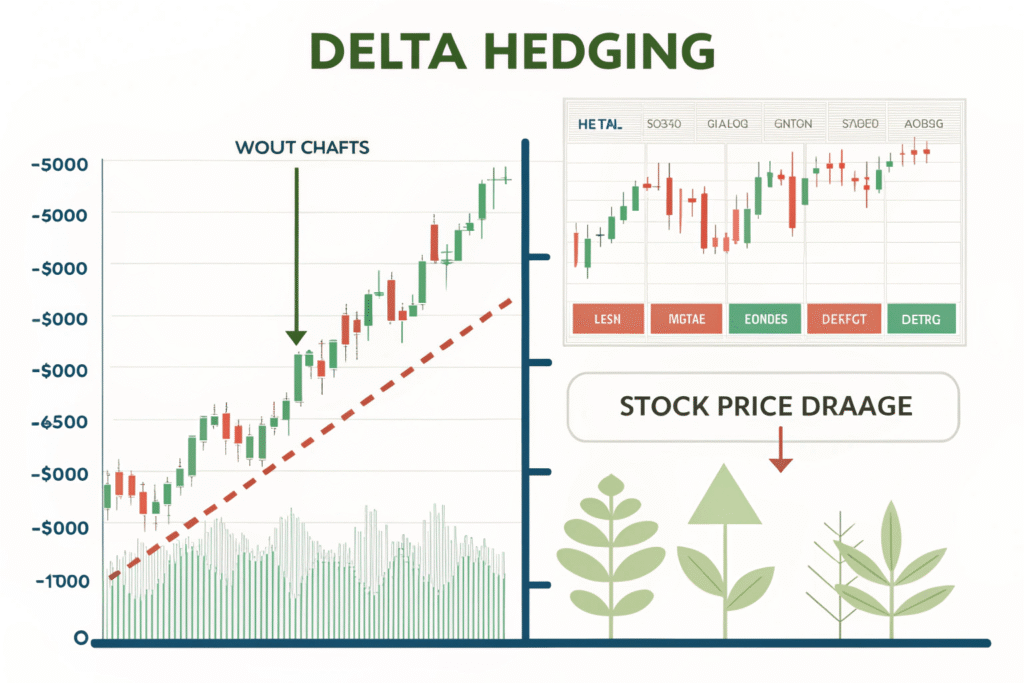
To understand the changes, first let’s see how delta hedging worked before automation. In those days, traders would check their positions using formulas and large spreadsheets. They used traditional methods like the Black-Scholes model to figure out how much risk they had. Then, if prices changed, they would manually buy or sell shares to keep their risk level “neutral.”
Manual methods were slow and could miss sudden market moves. Sometimes, even a small mistake could cost a lot of money. It was difficult to keep up, especially when markets moved fast.
Now, artificial intelligence (AI) is making trading safer and smarter. AI is a computer system that can “learn” from patterns and make decisions automatically. Automation uses software to take action without a human needing to press a button every time. Together, AI and automation have become powerful tools for managing delta hedging, especially for professional traders.
AI doesn’t need rest. It watches the market all the time. If the value of your portfolio changes, AI systems quickly see the risk and make changes right away. This means your hedges are always up to date, even during late hours or sudden news events.
Deep hedging is a smart new way that uses machine learning. It doesn’t just look at one type of risk but many at the same time. So you are not just protected from small market changes, but also from sudden jumps and bigger events. Studies show that when markets get messy, AI often reacts faster and better than humans.
Some traders worry if AI is like a “black box.” This means it can be hard to understand why the computer made a certain move. In 2025, many systems allow you to see clear charts and reasons for every decision. This helps both traders and regulators feel safer using AI tools.
There are many new platforms that do almost everything for the trader. These systems watch risks, buy or sell stocks, and show clear reports. Big investment firms use AI to keep their portfolios safe. Some retail investors are starting to use these tools as well, thanks to user-friendly apps. The result is faster trades, fewer errors, and better profits.
Here’s a simple case. Imagine a company using AI to watch its options positions every second. If something changes, the software places new trades and sends alerts. The company saves time and reduces stress.
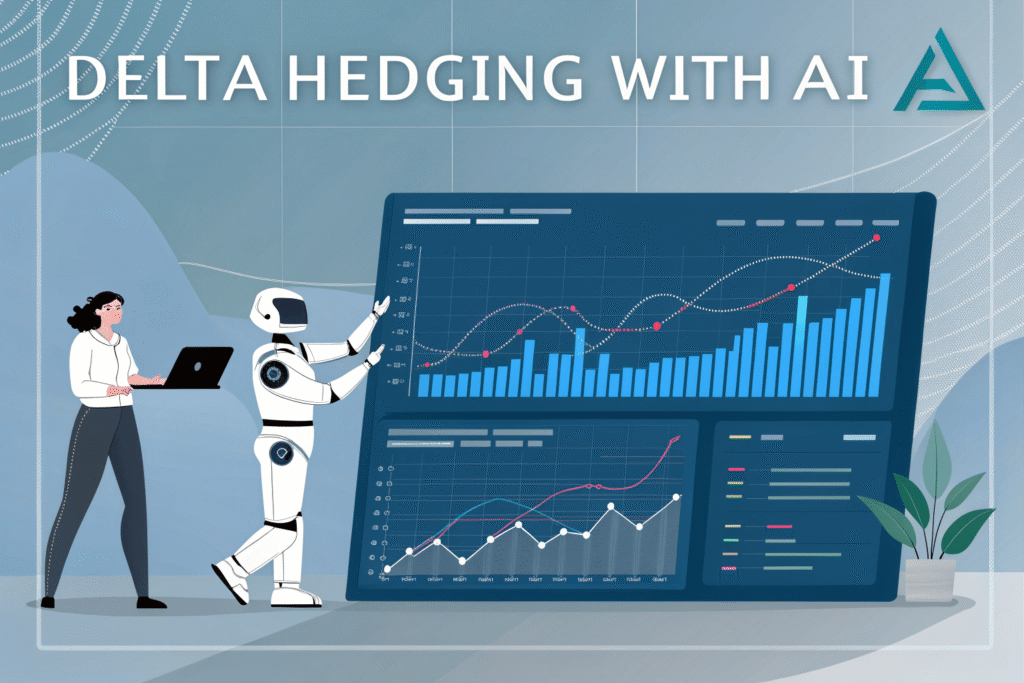
AI is fast. It reacts in seconds or even faster. It never gets tired or distracted. This is very helpful during busy or wild markets where every second counts.
AI helps avoid careless mistakes. It doesn’t panic, and it doesn’t forget steps. It can also spot risks that humans might miss, like slow surprises that can turn into big losses if ignored.
Even with smart systems, traders don’t just let computers do everything. They set up rules such as “stop losses” to protect money during strange events. Human experts are always there to watch over and step in if the computers do something unexpected.
It’s also important to give the computer clean and fair data. If the information is wrong, even the best AI can make mistakes. And finally, traders and companies must follow rules from regulators. That includes keeping records and proving that their systems are fair and safe.
AI tools cost money to set up and require experts to manage them. If the computer learns from “bad” data or if the rules are too strict or too loose, new kinds of problems can pop up. That’s why ongoing checks and balances are very important.
Some people still worry that the computers can feel like magic and don’t explain their choices. The good news is that more tools now offer step-by-step reasons so you can understand what’s happening.
In the next few years, AI is expected to get even smarter. Systems will learn from more types of market data, work in more countries, and handle more kinds of risks. Teams of smart computers might work together, offering more ways to protect investors.
There’s also a big focus on making sure that humans and computers work smoothly together. Neither should work alone; the best results come from teamwork.
Managing risk with delta hedging has come a long way. In 2025, AI and automation help traders stay safe, act quickly, and avoid many mistakes of the past. If you invest or trade, now is a great time to learn more about these helpful tools, make sure you understand the technology, and always keep a watchful eye. Safe trading!